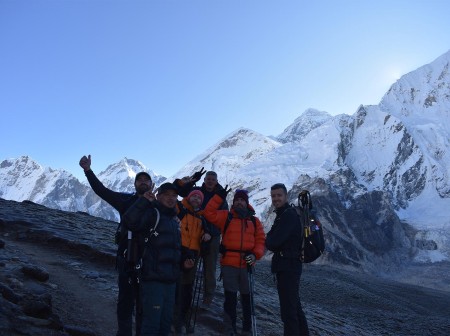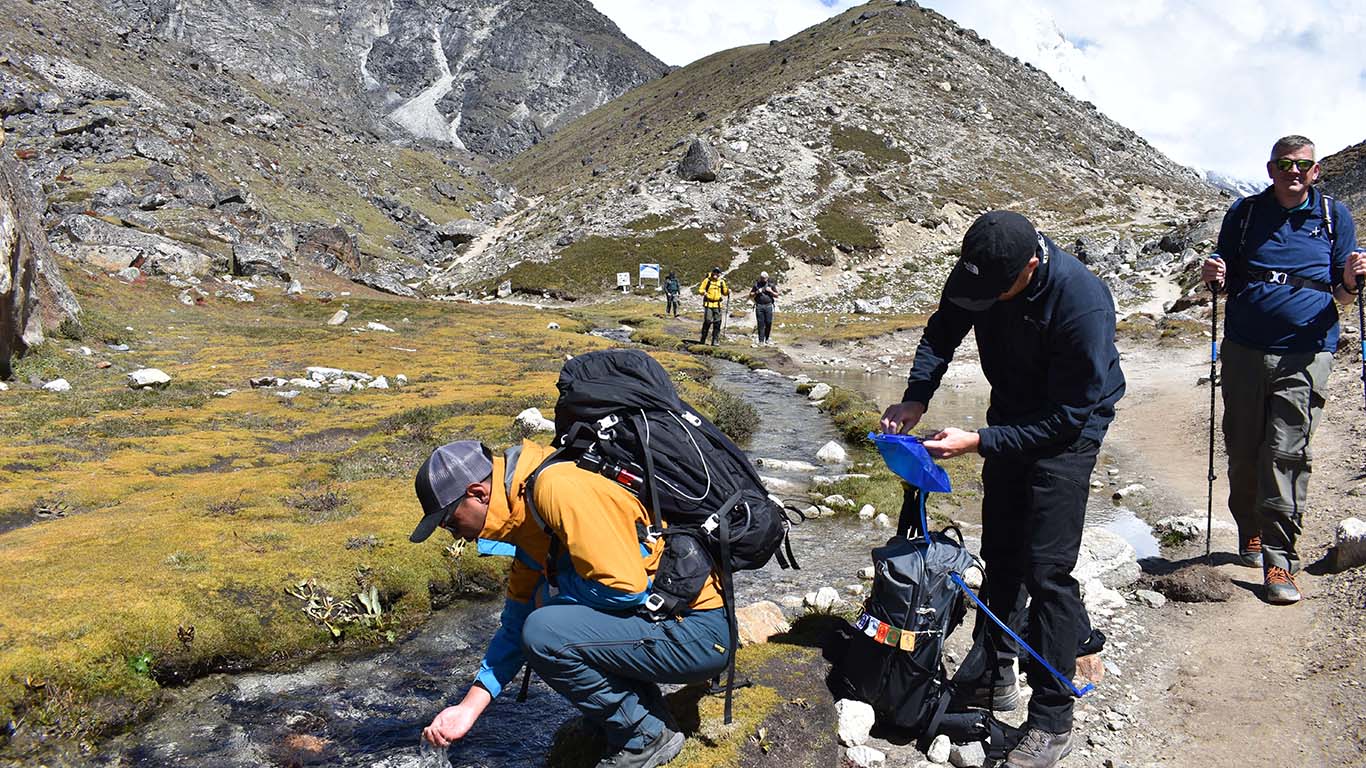
Mera Peak and Island Peak Climbing via Amphu Laptcha Pass
The ultimate Himalayan traverse for serious mountaineers
Welcome to a journey that goes far beyond ordinary trekking and into the heart of true Himalayan mountaineering. Mera Peak and Island Peak Climbing via Amphu Laptcha Pass is widely regarded as one of the most demanding and rewarding high altitude expeditions in Nepal. This remarkable route connects two of the country’s most iconic trekking peaks through a remote, technical, and rarely crossed high mountain pass, creating a genuine expedition style traverse rather than a simple out and back climb.
This guide is written for climbers who are researching the route seriously, as well as for readers who value depth, transparency, and experience. It reflects current best practices in high altitude safety, acclimatization science, and ethical guiding, making it a reliable and future ready resource for anyone planning this climb.
You can view the official expedition details here:
https://www.soleencounterstrek.com/trip/mera-peak-and-island-peak-climbing-via-amphu-laptcha-pass
What Makes This Expedition Truly Unique
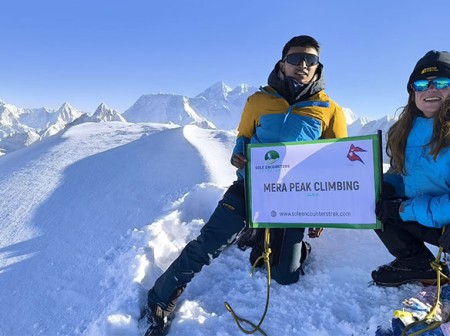
Unlike many trekking peak itineraries that focus on a single summit, this expedition connects Mera Peak at 6,476 meters and Island Peak at 6,189 meters via the formidable Amphu Laptcha Pass, which rises to 5,845 meters.
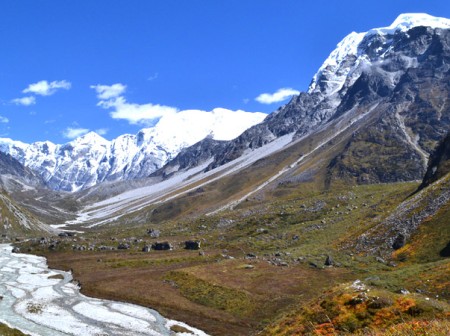
The route transitions from the isolated wilderness of the Hinku Valley into the dramatic alpine landscapes of the Everest region. Along the way, climbers encounter glacier travel, steep snow and ice slopes, fixed rope descents, and high altitude camping. These elements elevate the journey from a trekking peak climb into a serious alpine expedition.
Expedition Route Overview
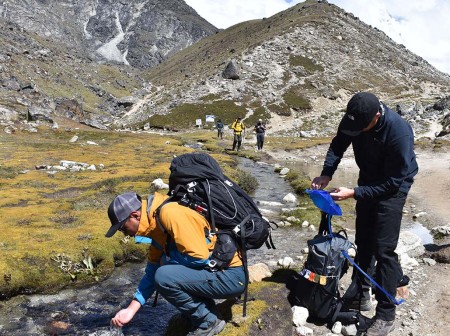
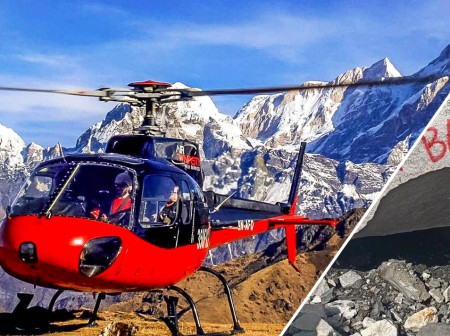
The adventure begins with a flight to Lukla, followed by a gradual approach into the pristine Hinku Valley. This remote region is ideal for acclimatization, offering long walking days, dramatic scenery, and minimal crowds.
After establishing high camps, climbers make their ascent of Mera Peak, often considered the best acclimatization peak in Nepal due to its altitude and non technical nature. From the summit, the Himalayan panorama is extraordinary, with views of Everest, Lhotse, Makalu, Cho Oyu, and Kanchenjunga.
After descending from Mera Peak, the expedition enters its most demanding phase, the Amphu Laptcha Pass crossing. This section involves navigating crevassed glaciers, steep snow and ice slopes, and a dramatic fixed rope descent into the Imja Valley. The final stage focuses on the ascent of Island Peak, a classic Himalayan climb featuring exposed ridges, ladders over crevasses, and a steep headwall just below the summit.
Why Climbing Mera Peak First Makes Sense
Modern altitude research consistently supports climbing a higher but less technical peak first to improve acclimatization and reduce overall risk.
Mera Peak offers:
-
Gradual and safe altitude gain
-
Strong physiological adaptation above 6,000 meters
-
Reduced risk of Acute Mountain Sickness
-
Improved success rates on subsequent technical climbs
Climbers who follow this progression arrive at Island Peak and Amphu Laptcha better prepared both physically and mentally.
Technical Difficulty and Required Experience
This expedition is classified as challenging to very challenging.
Participants should be comfortable with:
-
Crampon techniques on snow and ice
-
Ice axe use and self arrest
-
Fixed rope ascents and rappelling
-
Glacier travel and rope team movement
-
Prolonged exposure above 5,000 meters
While Mera Peak itself is non technical, Island Peak and Amphu Laptcha Pass require solid alpine competence. This expedition is not suitable for first time trekkers or beginners without prior high altitude experience.
Best Seasons and Weather Considerations
The most favorable seasons for this expedition are:
-
Spring, from April to May
-
Autumn, from late September to November
Recent climate patterns have increased weather variability in the Himalaya. As a result, flexibility and buffer days are now considered essential for high altitude success, and this itinerary is designed with that reality in mind.
Acclimatization and Safety Approach
Current high altitude guidelines emphasize conservative pacing, adequate rest, hydration, and flexibility rather than aggressive summit schedules.
This expedition includes:
-
Gradual ascent profiles
-
Active acclimatization hikes
-
Strategically placed rest days
-
Clear turnaround times
Safety decisions are made by experienced guides in consultation with the team, always prioritizing health and safe return over summit pressure.
Permits, Regulations, and Logistics
Climbers will require:
-
Makalu Barun National Park Permit
-
Sagarmatha National Park Permit
-
Khumbu Rural Municipality Entry Permit
-
Climbing permits for both Mera Peak and Island Peak
All permits, logistics, staff coordination, and rescue planning are handled by Sole Encounters Adventures, ensuring compliance with Nepal’s latest regulations and ethical load standards.
Equipment and Packing Recommendations
Proper equipment is critical for success and safety. Essential gear includes:
-
Double boots suitable for 6,500 meters
-
Technical crampons and ice axe
-
Harness, helmet, and ascenders
-
Four season sleeping bag
-
Layered clothing system for extreme cold
Modern recommendations favor lightweight yet durable equipment to reduce fatigue during long glacier days.
Physical Training and Preparation
Preparation should begin at least four to six months before the expedition.
Recommended training includes:
-
Cardiovascular endurance such as hiking, running, or cycling
-
Strength training focused on legs and core
-
Practice hikes carrying a loaded backpack
-
Prior experience above 4,500 meters whenever possible
Mental resilience and patience are just as important, as long days and weather delays are common on this route.
Food, Accommodation, and Camping
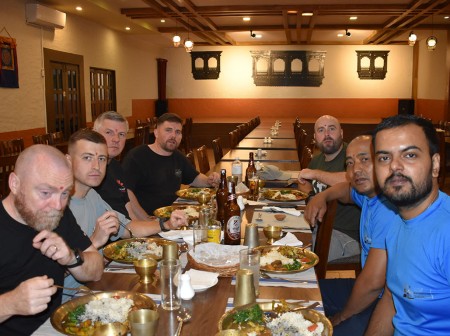
The expedition uses teahouses during lower altitude trekking sections and fully supported camping during high altitude phases and the Amphu Laptcha crossing.
Meals are designed to be high calorie, hygienic, and appropriate for altitude, helping maintain energy levels and recovery throughout the journey.
Environmental Responsibility and Ethical Climbing
This expedition follows Leave No Trace principles, responsible waste management, and fair porter treatment. All camps are dismantled fully, and non biodegradable waste is carried out.
Ethical climbing practices are increasingly important for preserving long term access and protecting Nepal’s fragile mountain environments.
Who This Expedition Is Best Suited For
This route is ideal for:
-
Experienced trekkers transitioning into technical mountaineering
-
Climbers preparing for higher objectives such as 7,000 meter peaks
-
Adventurers seeking a remote and authentic Himalayan challenge
-
Those who value safety, expertise, and honest leadership
It is not recommended for climbers seeking quick summits or luxury oriented experiences.
Frequently Asked Questions
Is prior climbing experience mandatory?
Yes. Basic mountaineering experience significantly improves safety and success.
Can this expedition be customized?
Yes. Private and tailor made itineraries are available depending on experience and schedule.
How long does the expedition take?
Most itineraries range from 21 to 25 days to allow proper acclimatization and weather flexibility.
Final Thoughts
Mera Peak and Island Peak Climbing via Amphu Laptcha Pass stands among Nepal’s finest alpine traverses. It requires preparation, humility, and commitment, but rewards climbers with exceptional scenery, technical challenge, and lasting achievement.
This is not a commercial shortcut. It is a serious Himalayan expedition for those who want to climb responsibly and return safely.
Plan Your Expedition With Confidence
🌐 Website: https://www.soleencounterstrek.com
📧 Email: info@soleencounterstrek.com
📱 WhatsApp: +9779808979061
Contact Sole Encounters Adventures to begin planning a world class Himalayan climbing experience built on trust, expertise, and proven leadership.